

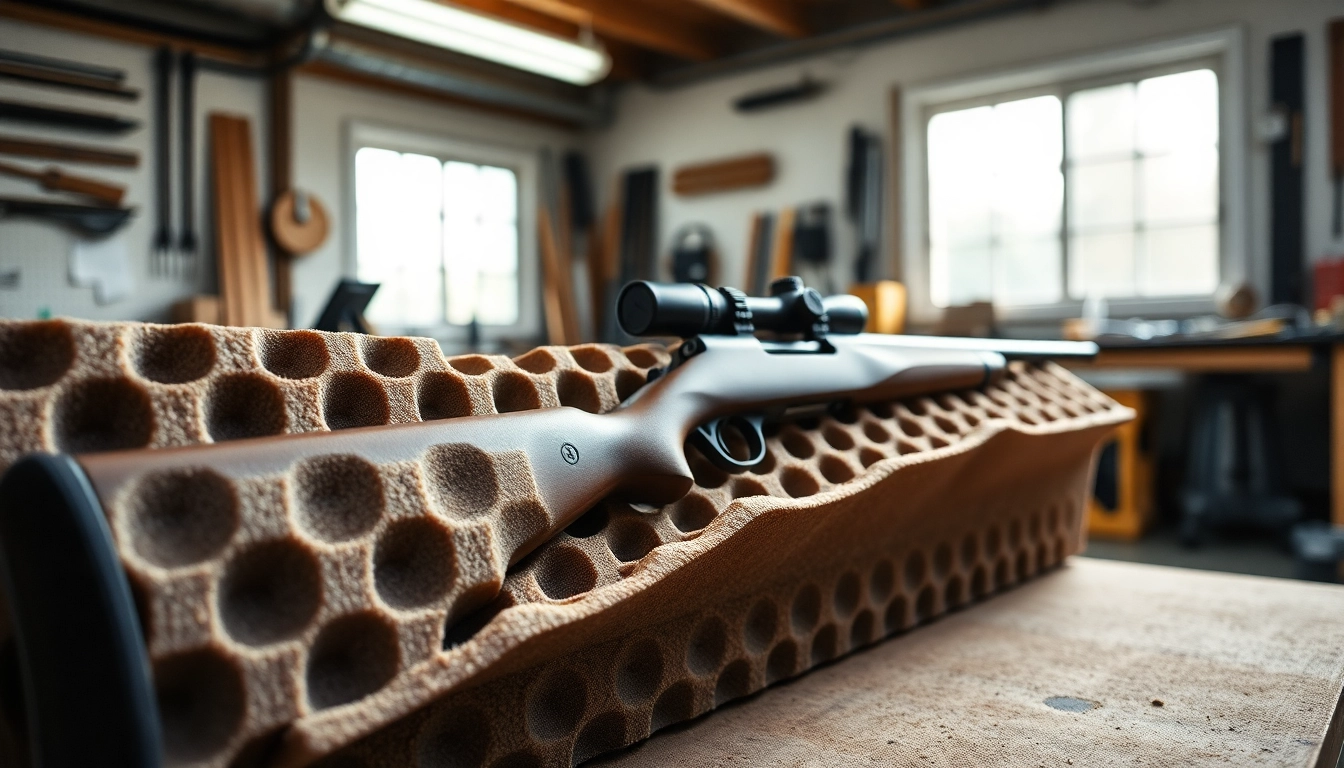
Understanding Foam for Rifle Case
In the world of firearms, ensuring the safe transport and storage of your rifle is paramount. One essential component that significantly enhances the protection of your firearm is foam for rifle case. The right foam material can protect against physical impacts and environmental factors, ensuring that your rifle remains in optimal condition. In this article, we’ll explore the different types of foam available, their importance, and how to select the best foam for your specific needs.
What is Foam for Rifle Case?
Foam for rifle cases serves as a protective insert designed to fit the interior of a gun case. Its primary purpose is to cushion the firearm from shocks and impacts while providing a snug fit that prevents movement during transport. This foam acts as a barrier against drops, bumps, and vibrations, ensuring that your rifle remains secure and protected. Commonly made from materials such as polyurethane or polyethylene, these foams can be customized to fit various rifle shapes and sizes.
Types of Foam Used in Rifle Cases
There are several types of foam that you might consider for your rifle case, each offering unique benefits. The most commonly used foams include:
- Polyurethane Foam: Known for its versatility and lightweight properties, polyurethane foam offers excellent cushioning and shock absorption. It is ideal for general use and is often used in standard rifle cases.
- Polyethylene Foam: This foam is denser and provides superior durability and impact resistance. Polyethylene foam works well in high-performance applications, offering long-lasting protection against heavy impacts.
- Memory Foam: Portraying properties that allow it to mold to the shape of the rifle, memory foam provides an exceptional fit and comfort, making it an attractive option for custom applications.
- Egg-Crate Foam: Characterized by its unique shape, egg-crate foam offers excellent airflow, reducing moisture build-up while providing decent cushioning for lighter firearms and accessories.
Importance of Proper Foam Quality
Investing in high-quality foam for rifle cases is crucial for several reasons:
- Impact Resistance: Quality foam can absorb the shock from impacts, protecting your firearm during travel.
- Longevity: High-grade foams are often more durable and resistant to wear and tear over time, ensuring that the protective qualities are maintained.
- Moisture Resistance: Superior foam options tend to resist moisture better, preventing damage from humidity or accidental spills.
- Customization Potential: Better quality foams can often be customized more easily to fit unique firearm shapes, ensuring maximum protection.
Benefits of Custom Foam Inserts
Protection Against Impact
Custom foam inserts provide tailored protection, especially for firearms with unique dimensions or configurations. By choosing foam that conforms perfectly to your rifle, you reduce the risk of any movement that could lead to damage during transport. The snug fit buffers shocks from external forces, making it a critical investment for anyone who prioritizes firearm safety.
Moisture Resistance Features
Another key benefit of custom foam is its moisture-resistant properties. Many high-quality foams are treated to repel water, safeguarding your rifle against the potentially harmful effects of humidity and accidental spills. This aspect is particularly vital if you regularly transport your rifle in varying environmental conditions, such as wet climates or snowy regions.
Customization Options Available
When it comes to protecting your rifle, off-the-shelf foam may not always provide the optimal fit. Custom foam inserts can be tailored to fit specific models, providing cutouts that mirror the shape of your firearm and its accessories. This means you can integrate compartments for scopes, magazines, or other gear, maximizing your rifle’s safety during transport.
How to Select the Best Foam for Rifle Case
Evaluating Thickness and Density
Choosing the right thickness and density is crucial when selecting foam for your rifle case. Thicker, denser foam generally offers a higher level of protection, absorbing shocks better than thinner alternatives. However, it’s essential to balance thickness with weight and bulk—too much density can make the case hefty and cumbersome to carry. A smart approach involves selecting a middle ground that provides ample protection while remaining manageable.
Compatibility with Your Firearm
Your rifle’s dimensions should guide your foam selection. The foam must adequately accommodate the specific make and model of your firearm to ensure protection. Utilizing pre-measured templates can help identify the best fit, or you may choose to have custom-cut solutions made for more unique firearms. Always consider not just the length and width of the rifle but also the profile of its components.
Cost Comparison of Different Foams
The cost of foam for rifle cases can vary widely depending on the material and level of customization. Generally, polyurethane foam is among the most affordable options, while polyethylene and custom-cut foams typically command higher prices due to their additional protection features. When evaluating cost, consider potential long-term benefits, such as durability and the degree of protection offered, versus the price tag alone.
Installation Tips for Foam in Rifle Cases
Tools Needed for Proper Setup
Setting up foam in your rifle case requires minimal tools, making it a straightforward process. Essential tools may include:
- Utility knife or foam cutter for shaping and trimming the foam.
- Ruler and marker for accurate measurement and marking.
- Adhesive spray or glue (optional) if multilayer foam needs to be bonded.
Step-by-Step Foam Installation Guide
- Measure the interior of your rifle case, noting the dimensions.
- Plan the foam cutouts based on your rifle and any additional gear.
- Using a utility knife, cut the foam to the necessary dimensions, ensuring clean edges.
- If using multilayer foam, adhere the layers together with adhesive spray.
- Gently insert the foam into the rifle case and adjust as needed for a snug fit.
Maintaining Foam Condition Over Time
To keep your foam in optimal condition, regular maintenance is important. Clean your foam inserts using a mild soap and a damp cloth occasionally. Ensure that the foam dries completely to avoid any build-up of mold or mildew, which can occur in humid environments. Storing the case in a dry place will help prolong the lifespan of your foam inserts and the overall integrity of your rifle case.
Frequently Asked Questions About Foam for Rifle Case
How do I know which foam is best for my rifle case?
Consider your rifle’s dimensions and the intended use. Evaluating thickness, density, and moisture resistance are key.
Can I replace foam in my existing rifle case?
Yes, you can replace foam as long as you ensure proper sizing and quality for optimal protection of your firearm.
Is custom foam worth the investment?
Custom foam provides better protection, reduces movement during transport, and often extends the life of your rifle.
How do I clean and maintain my foam inserts?
Use mild soap and a damp cloth for cleaning. Ensure they dry completely to prevent mold and mildew.
What is the average lifespan of foam for rifle cases?
Quality foam can last several years, but check regularly for wear-and-tear to maintain maximum protection.