Understanding Visceral Fat: An In-Depth Analysis
Visceral fat has garnered attention in recent years due to its implications for health and wellness. This type of fat, which accumulates around our internal organs, can pose serious health risks, making it imperative to understand its characteristics, assess our levels, and take the necessary steps to reduce it. Here, we delve into what visceral fat is, why it’s dangerous, how to measure it, strategies for reduction, and real-life success stories. For more detailed insights and methodologies, consider exploring our comprehensive resources on visceral fat.
What Is Visceral Fat?
Definition and Characteristics of Visceral Fat
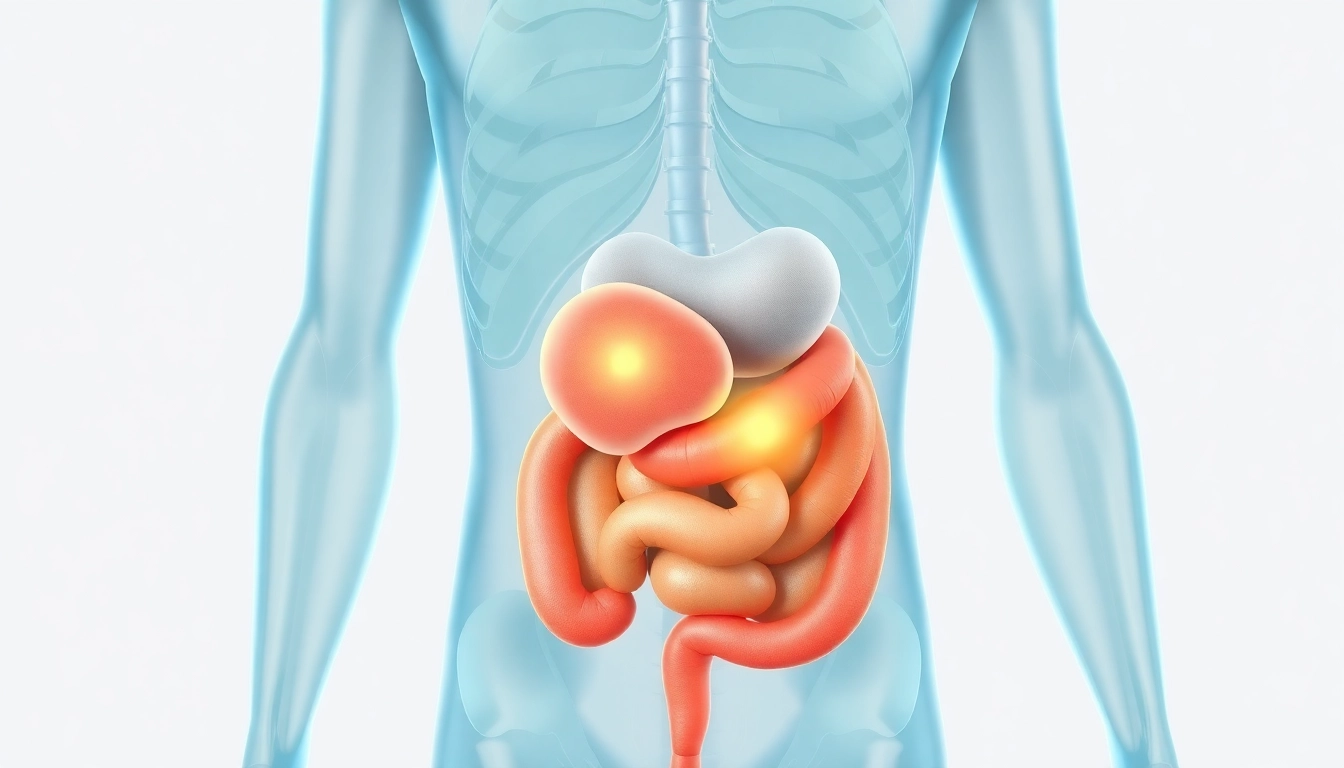
Visceral fat is a form of fat that's stored deep in the abdominal cavity, specifically surrounding vital organs such as the liver, pancreas, and intestines. Unlike subcutaneous fat, which sits just underneath the skin, visceral fat is less visible but poses greater risks to health. The composition of visceral fat consists of adipose tissues that serve as cushioning for these organs. It also secretes various substances, including hormones and inflammatory markers, that can interfere with bodily functions.
Comparison Between Visceral Fat and Subcutaneous Fat
While both visceral and subcutaneous fat contribute to overall body fat percentage, they differ significantly in location, function, and health implications. Subcutaneous fat, found just beneath the skin, often accumulates in areas such as the thighs, buttocks, and arms. It is generally considered less harmful than visceral fat but can still have an impact on appearance and self-esteem.
The primary distinction lies in health effects; visceral fat has been linked to a host of conditions including cardiovascular disease, type 2 diabetes, and metabolic syndrome. Increased levels of visceral fat signify a heightened risk for these conditions, unlike subcutaneous fat, which does not directly correlate with the same risk factors.
Health Implications of Excess Visceral Fat
The accumulation of excess visceral fat can lead to a variety of serious health issues over time. Research has indicated that individuals with high levels of visceral fat have an increased likelihood of developing heart disease, hypertension, and type 2 diabetes. This is largely due to the fat’s ability to produce inflammatory cytokines and other substances that interfere with how the body metabolizes sugar and fat.
Moreover, visceral fat is known to affect hormone regulation, particularly those involved in appetite and metabolism. This disruption can lead to further weight gain, perpetuating a cycle that exacerbates health issues.
Why Excess Visceral Fat Is Dangerous
Health Risks Associated with Visceral Fat Accumulation
Research has shown that excess visceral fat is not merely a cosmetic concern—it significantly increases the risk of numerous diseases. One prominent concern is its contribution to cardiovascular issues. The presence of visceral fat is known to impact cholesterol levels and blood pressure, both of which are critical factors for heart health.
Additionally, visceral fat can lead to insulin resistance, a precursor to type 2 diabetes. As the body becomes less responsive to insulin, blood sugar levels can rise, leading to serious complications if not managed effectively. The relationship between visceral fat and metabolic syndrome—a cluster of conditions that increase the risk of heart disease, stroke, and diabetes—further underscores the dangers of excess abdominal fat.
Visceral Fat and Chronic Diseases
Various studies have established a direct correlation between visceral fat and the development of chronic diseases. For instance, individuals with high levels of visceral fat are more likely to suffer from conditions such as liver disease and certain types of cancer, including breast and colon cancer. These associations highlight the systemic effects of visceral fat beyond mere weight gain.
Furthermore, the inflammatory profile of visceral fat can lead to chronic low-grade inflammation, which is increasingly recognized as a contributor to many of these diseases. This inflammation can damage blood vessels, leading to atherosclerosis and increasing the risk of stroke.
The Role of Inflammation in Visceral Fat-related Conditions
Inflammation is a significant mechanism by which visceral fat impacts health. The fat itself acts as an endocrine organ, secreting pro-inflammatory cytokines that influence systemic inflammation. Higher levels of these cytokines can impair insulin action and glucose metabolism, leading to weight gain and further fat accumulation.
Understanding the inflammatory pathways linked to visceral fat is essential in developing strategies for weight management and disease prevention. Reducing visceral fat through lifestyle changes can significantly lower overall inflammation, thereby promoting better health outcomes.
Measuring Visceral Fat: Techniques and Tools
Common Methods for Assessing Visceral Fat
Measuring visceral fat accurately requires specific techniques. One commonly used method is imaging techniques such as MRI and CT scans. These methods provide a precise picture of fat distribution in the body, allowing health professionals to measure the amount of visceral fat accurately.
While these methods are effective, they can be costly and impractical for regular monitoring. Therefore, simpler methods such as waist circumference measurement and waist-to-hip ratio are often employed as indirect assessments of visceral fat levels. A waist circumference above 40 inches in men and 35 inches in women is considered an indicator of increased visceral fat and corresponding health risks.
Understanding Visceral Fat Index and Its Importance
The Visceral Fat Index (VFI) is a marker that helps assess visceral fat levels and their impact on health. This index considers factors such as age, gender, weight, height, and waist circumference to estimate visceral fat accumulation.
Health professionals often use the VFI to evaluate an individual's risk for health conditions associated with high levels of visceral fat. By understanding where a patient stands on this index, tailored interventions can be designed to manage weight and mitigate health risks effectively.
Using Technology to Monitor Visceral Fat Levels
With advancements in technology, home monitoring of visceral fat has become more accessible. Many smart scales and body composition analyzers now incorporate methods to estimate visceral fat using bioelectrical impedance analysis (BIA). While these devices do not provide as accurate a measurement as imaging techniques, they can be useful for tracking changes over time.
Apps that sync with these devices can also help individuals keep journals of their measurements, encouraging awareness and motivating lifestyle changes aimed at reducing visceral fat.
Effective Strategies for Reducing Visceral Fat
Dietary Approaches to Lower Visceral Fat
Diet plays a crucial role in managing visceral fat levels. A balanced diet rich in whole grains, lean proteins, healthy fats, fruits, and vegetables can help reduce overall body fat, including visceral fat. Limitations should be placed on refined carbohydrates and sugars, as they can spike insulin levels and promote fat storage.
Incorporating anti-inflammatory foods, such as fatty fish rich in omega-3s, nuts, seeds, and a variety of colorful fruits and vegetables, can also benefit overall health while decreasing visceral fat. Furthermore, a coherent meal pattern that includes regular meal timing contributes to metabolic balance and satiety.
Physical Activity and Its Impact on Visceral Fat
Regular physical activity is fundamental in the battle against visceral fat. Aerobic exercises such as running, cycling, and swimming are emphasized for their effectiveness in burning calories and reducing fat. Additionally, incorporating strength training can help increase lean muscle mass, which elevates metabolism and further aids fat reduction.
Studies indicate that engaging in at least 150 minutes of moderate-intensity aerobic activity each week can lead to significant reductions in visceral fat. High-Intensity Interval Training (HIIT) is another effective strategy, as it can help burn more calories in a shorter period and has been shown to target visceral fat specifically.
Behavioral Changes for Long-term Visceral Fat Management
Beyond diet and exercise, behavioral modifications can play a critical role in long-term management of visceral fat. Strategies may include setting realistic weight-loss goals, keeping food journals, and finding supportive communities or programs. Cognitive Behavioral Therapy (CBT) techniques can help in addressing emotional eating and other psychological factors that contribute to weight gain.
Stress management is also crucial, as stress can lead to unhealthy eating patterns and weight gain. Techniques such as mindfulness, yoga, and meditation can assist individuals in managing their stress levels effectively.
Success Stories and Real-life Examples of Visceral Fat Reduction
Testimonials from Individuals Who Have Reduced Visceral Fat
Many individuals have transformed their health by successfully reducing visceral fat. Testimonials reveal that consistency in diet and exercise, along with the support from health professionals, can yield significant results. Engaging in community support groups or online forums has provided motivation for many who undertake this journey.
Analysis of Successful Programs and Interventions
Various programs aimed at reducing visceral fat have shown measurable success. For example, community-based initiatives combining nutrition education and physical activity have resulted in notable reductions in visceral fat among participants. These programs often customize dietary plans and exercise regimens to fit individual needs, enhancing their effectiveness and sustainability.
Ongoing Support and Resources for Maintaining Healthy Visceral Fat Levels
Maintaining a healthy level of visceral fat is a lifelong commitment. Continuous education about nutrition, physical activity, and effective stress management is critical. Many organizations provide resources, workshops, and seminars aimed at encouraging healthy lifestyles and reducing the risk of excessive visceral fat accumulation.
In conclusion, understanding visceral fat is essential for everyone seeking to improve their overall health. With targeted strategies, individuals can manage and reduce visceral fat effectively, leading to enhanced well-being and reduced risks of serious health conditions. Whether through dietary changes, increased physical activity, or behavioral adjustments, taking proactive steps today can pave the way for a healthier tomorrow.