

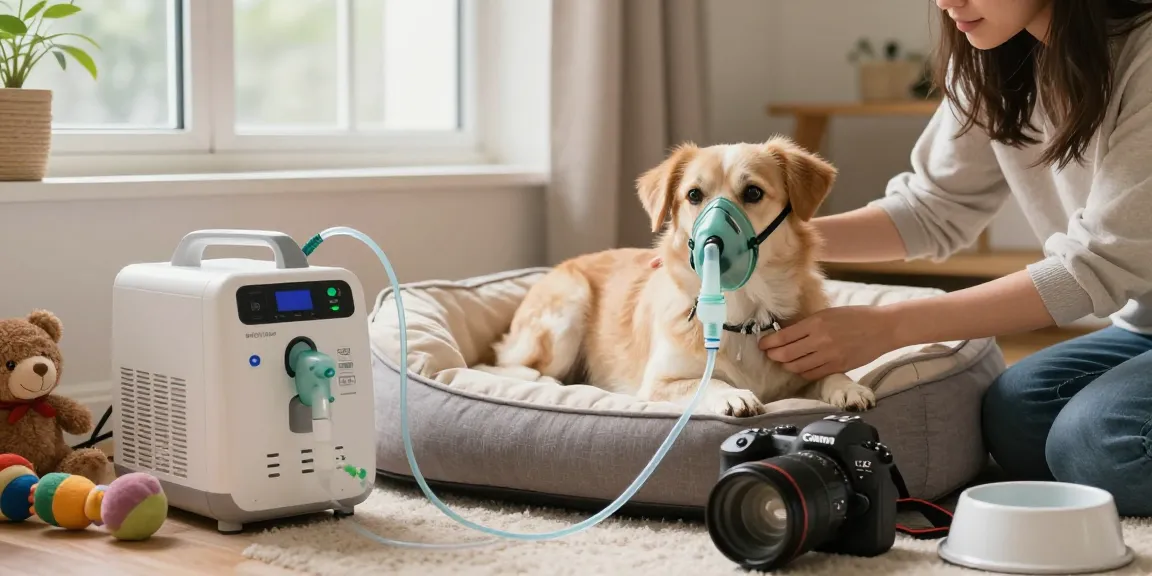
Understanding Home Oxygen Support for Pets
Oxygen therapy is becoming increasingly recognized as a crucial support mechanism for pets suffering from respiratory issues. As pet owners, it’s vital to understand that our furry companions can experience a range of ailments requiring additional oxygen. Home oxygen support for pets can significantly improve their quality of life, facilitating better recovery and comfort during challenging times. From chronic conditions like heart disease to acute respiratory distress, knowing when and how to utilize oxygen therapy can make all the difference.
What is Home Oxygen Therapy?
Home oxygen therapy involves the administration of oxygen to pets in a home environment, providing them with necessary support. It is typically delivered through oxygen concentrators, which filter and concentrate oxygen from the air, allowing pets to inhale pure oxygen to alleviate their breathing difficulties.
Benefits of Oxygen Therapy for Pets
Oxygen therapy offers numerous benefits, including:
- Improved Oxygenation: Increases the oxygen levels in the blood, which is essential for overall health and recovery.
- Enhanced Comfort: Reduces the effort required for breathing, making it easier for pets to relax and recover.
- Support During Recovery: Assists in healing from surgical procedures or illnesses by providing adequate oxygen supply.
- Quality of Life: Improves the overall well-being of pets with chronic illnesses, enhancing their daily life.
Common Conditions Requiring Oxygen Support
Various conditions may necessitate the use of oxygen therapy, including but not limited to:
- Chronic Respiratory Diseases: Conditions like chronic bronchitis or asthma require ongoing oxygen support.
- Heart Disease: Pets with congestive heart failure can benefit from supplemental oxygen.
- Post-Surgical Recovery: Oxygen is vital in aiding recovery in pets after surgeries.
- Acute Respiratory Distress: Sudden breathing difficulties due to infections or obstructions.
Choosing the Right Oxygen Equipment
Selecting the proper equipment is critical to effective oxygen therapy. Understanding the differences between the types of oxygen concentrators and their accessories will help in making informed decisions that best suit your pet’s individual needs.
Types of Oxygen Concentrators Available
There are two primary types of oxygen concentrators: home models and portable units. Each serves different purposes:
- Home Oxygen Concentrators: Designed for stationary use in a household setting, providing consistent oxygen supply.
- Portable Oxygen Concentrators: Lightweight and designed for mobility, allowing pets to receive oxygen on the go.
Portable vs. Home Oxygen Units: Pros and Cons
When comparing these devices, consider the following:
- Home Units:
- Pros: Higher flow rates and longer usage periods, ideal for home therapy.
- Cons: Not designed for travel; can be bulky.
- Portable Units:
- Pros: Convenient for travel and outdoor use, lightweight.
- Cons: Typically have lower flow rates than home units.
Essential Accessories for Effective Therapy
To enhance the efficacy of oxygen therapy, several accessories are commonly recommended:
- Oxygen Masks: Designed for direct oxygen delivery to the pet.
- Nasal Cannulas: Convenient for pets that resist masks.
- Oxygen Cages: Provide a comfortable space for pets to receive therapy.
- Humidifier Bottles: Help reduce nasal discomfort during therapy.
Rental Plans and Pricing Options
Understanding your options for acquiring oxygen therapy equipment can help ease the financial burden while ensuring your pet receives necessary care. Various rental plans are available to suit different needs.
Overview of Rental Opportunities
PetAir offers flexible rental options for both home and portable oxygen concentrators, allowing for an adaptable approach to your pet’s care. You can choose:
- Monthly rentals for home units
- Portable concentrator rentals for travel
- A complete package comprising both home and portable units
Choosing the Best Plan for Your Pet
When selecting a plan, consider factors such as:
- The duration of therapy needed
- Your pet’s specific conditions
- Your travel and lifestyle needs
Understanding Payment Methods and Costs
PetAir prioritizes transparency in its pricing structure, and various payment options are available to ensure convenience for pet owners. Payment methods include:
- Cash on delivery
- Electronic transfers (FPS, PayMe, Bank Transfer)
- Credit card payments (Visa, Mastercard)
Implementing Oxygen Therapy at Home
Running oxygen therapy effectively at home requires proper setup and understanding of the equipment. The following guidelines can assist you in this process.
Setting Up the Oxygen Equipment
To set up your oxygen concentrator, follow these steps:
- Choose a well-ventilated area for the unit.
- Connect the tubing to the concentrator and ensure secure attachments.
- Set the appropriate flow rate as instructed by your veterinarian.
Steps for Safe and Effective Use
Ensuring safety while using the oxygen concentrator involves:
- Regularly monitoring the equipment for malfunctions.
- Keeping the concentrator clean and free from obstructions.
- Ensuring your pet is comfortable and able to access the oxygen consistently.
Monitoring Your Pet During Therapy
It’s essential to observe your pet during therapy for any signs of discomfort or distress. Check for:
- Respiration rates
- Behavioral changes
- Physical signs, such as coughing or agitation
Frequently Asked Questions
How Long Will My Pet Need Oxygen Therapy?
The duration of oxygen therapy varies based on the pet’s condition. Some may require short-term support, while others might need ongoing therapy for chronic issues. Starting with a trial plan can help determine the necessity for longer rentals.
Can I Cancel My Rental Plan Anytime?
Yes, PetAir offers flexible terms, allowing you to cancel your rental with advance notice. A free pick-up will be arranged at your convenience.
What to Do in Case of Equipment Malfunction?
If you encounter any issues with your equipment, contact PetAir immediately. They will arrange for a swift replacement to ensure your pet’s therapy is not interrupted.
Are There Any Side Effects of Oxygen Therapy?
Oxygen therapy is generally safe, but some pets may experience dryness of the nasal passages or irritation from masks. Regular monitoring and providing humidified oxygen can help mitigate these effects.
How Can I Ensure My Pet is Comfortable During Treatment?
Providing a comfortable space, using appropriate accessories like soft masks, and ensuring the oxygen flow is unobstructed can enhance your pet’s experience. Regular breaks and monitoring can help keep your pet stress-free.
